- 05 Aug, 2026
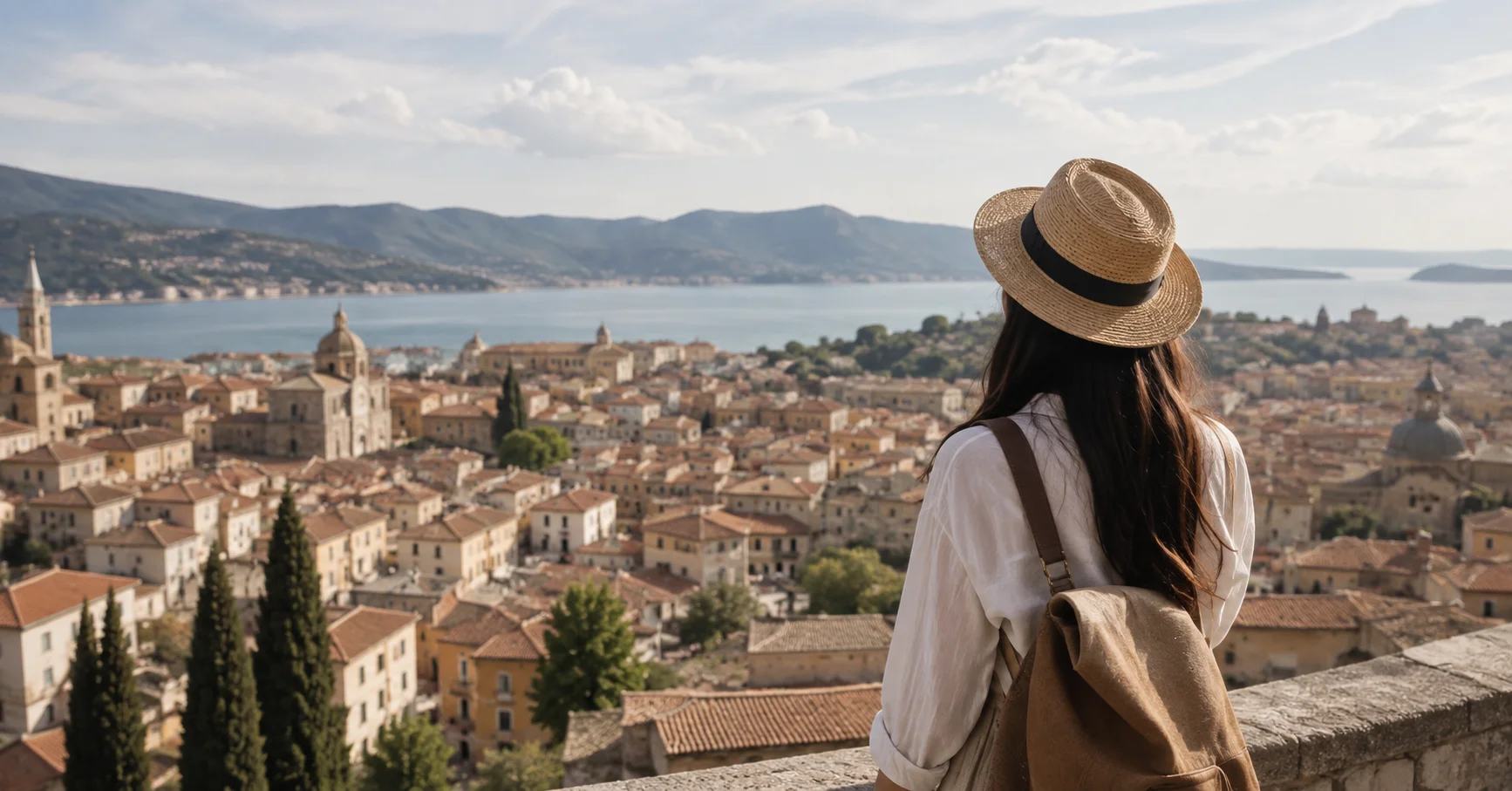
Nearly a third of travelers, 32% to be exact, say overtourism has personally ruined part of a trip for them. Packed landmarks. Inflated prices. Locals who make it clear they'd rather you'd gone somewhere else. So it's not surprising that 34% are now booking quieter alternatives on purpose, according to Skyscanner's 2026 travel trends report, which surveyed over 22,000 travelers. There's a name for this now: second-city travel.
Across Asia, Europe, and North America, the cities sitting one rung below the famous capitals are turning into the real destinations for food, culture, and the kind of local life a capital stopped being able to offer years ago. What's driving this, which second cities are actually pulling in the traffic, how they compare to the gateways everyone already knows, and how you'd actually plan a trip around one that's what this guide gets into.
What Is Second-City Travel, and Why Is It Trending in 2026?
Picking a country's quieter, lesser-known city over its famous capital. That's the whole idea. Fukuoka over Tokyo. Busan over Seoul. Bologna over Rome. It isn't really about avoiding the famous place so much as wanting a version of the trip that hasn't already been worn smooth by tour buses and matching Instagram photos.
Overtourism is the obvious trigger. Paris, Rome, and Tokyo are all straining under real infrastructure pressure and growing local frustration, and travelers can feel it, which is basically what that 32% figure is measuring. Rising costs in those cities are doing the rest of the work, nudging budgets toward places offering similar culture for noticeably less. Social media speeds it along too.
A single clip of a quiet Fukuoka ramen shop can move search volume faster than a tourism board's entire marketing budget ever could. Underneath all of it sits a real shift in values, people choosing slower, more sustainable trips instead of a checklist tour of a city's ten most photographed spots.
And the route numbers back this up. Singapore-origin searches for Guiyang, capital of China's Guizhou province, jumped 316% year-over-year. Padang in Indonesia rose 141%. Warsaw pulled almost 40% growth in passenger traffic from Singapore in a single year, ahead of both Paris and London, while Madrid, Dublin, and Geneva each cleared 10%-plus growth, according to IATA's AirportIS data.
The Overtourism Crackdown That's Making Second Cities Look Better
Venice started charging day-trippers €5 to €10 just to enter the city center in April 2026. Barcelona's tourist tax is climbing toward 20% by 2030, on top of a plan to eliminate all 10,000 of its Airbnb licenses by 2028. Athens now caps the Acropolis at 20,000 visitors a day.
None of that is hypothetical; it's already reshaping where people book. This isn't really about second cities getting more appealing on their own; it's about capitals getting harder and more expensive to visit. In 2026, Amsterdam, Venice, Barcelona, Athens, and Florence rolled out a coordinated set of measures: higher tourist taxes, hotel development freezes, day-visitor caps, and short-term rental bans, all aimed at protecting housing and infrastructure from tourist volume.
Kyoto introduced a tiered accommodation tax the same year. The EU Parliament passed an overtourism resolution in March 2026 specifically aimed at redistributing visitors rather than just taxing them harder. Anti-tourism protests were planned across more than 16 cities on June 15, 2026.
The practical result: travelers are now budgeting an estimated extra €150–300 per multi-city European trip in taxes and entry fees that didn't exist three years ago. That's real money pushing real decisions, and it's a big part of why searches for alternatives are spiking. Singapore-origin searches for Guiyang, the capital of China's Guizhou province, jumped 316% year-over-year; Padang in Indonesia rose 141%. Warsaw pulled almost 40% growth in passenger traffic from Singapore in a single year, ahead of both Paris and London, while Madrid, Dublin, and Geneva each cleared 10%-plus growth, according to IATA's AirportIS data. Guiyang and Padang aren't fully mainstream yet, but they're exactly the kind of next-wave destination this whole trend points toward.
Asia Is Leading the Second-City Travel Movement
Asia's ahead here mostly because of connectivity; flight routes between gateway and second cities have expanded fast, and a lot of these cities already had the food, culture, and infrastructure ready. They just weren't getting looked at yet.
Japan, Beyond Tokyo: Discover Fukuoka
Legendary tonkotsu ramen, open-air yatai stalls at night, and coastal access without Tokyo's density. Spring and autumn are the sweet spot. Good fit if you want a real city experience without Tokyo's scale.
South Korea, Skip Seoul, Explore Busan
Lonely Planet just ranked Busan, Asia's number one summer destination for 2026, ahead of Da Nang. Beaches, the working Jagalchi seafood market, and a packed festival calendar are an easy sell for families wanting more open coastal space than Seoul allows.
Thailand, Chiang Mai Is Winning Over Bangkok
About 11.2 million people visited in 2024. Numbeo named it ASEAN's safest city for 2026, part of why it's become a real wellness and digital-nomad hub. Temples, mountain trekking, and night markets, prices well under Bangkok's.
China, Hangzhou, Is the New Must-Visit City
West Lake, working tea plantations, old water towns, and a hospitality scene that's turned genuinely upscale. High-speed rail connects it to Shanghai in under an hour, the easiest pairing on this whole list.
Indonesia, Why Yogyakarta Is Replacing Jakarta on Travel Lists
Borobudur and Prambanan, two of Southeast Asia's most significant temple complexes, sit near Yogyakarta, not Jakarta. Add a living batik tradition and food at a fraction of Jakarta prices.
Singapore, Marina Bay: Sentosa & Katong
Singapore's a city-state, so there's no real second city; travelers spread into districts instead. Sentosa covers beaches and Universal Studios Singapore; Katong covers Peranakan heritage, cafés, and shophouse walks, without Marina Bay's price tag.
Vietnam, Da Nang, Is Rising Fast
17.3 million arrivals in 2025, up 15% year-over-year, with international passenger numbers climbing around 26%. Targeting 19 million visitors in 2026. Beaches, the Marble Mountains, resort-heavy stays, and an easy hop to Hội An.
Europe's Best Second Cities for a More Authentic Holiday
Bologna, Italy
Widely considered Italy's real food capital, the birthplace of bolognese and serious parmesan-heavy cooking. Medieval arcades, daily local markets, and a young student-city energy Rome's crowds don't leave room for. It also skips Rome's dual-pricing headaches for non-EU visitors entirely.
Valencia, Spain
Mediterranean beaches, the futuristic City of Arts and Sciences, and the actual birthplace of paella, all cheaper than Barcelona, and without Barcelona's climbing tourist tax attached to your hotel bill.
North America Is Embracing Alternative City Breaks
San Diego, USA
Less LA traffic and sprawl, more beach. Reliably pleasant weather nearly year-round, solid family attractions, and a coastal dining scene that punches above its size.
Capital Cities vs. Second Cities: Which One Offers the Better Travel Experience?
| Country | Famous Gateway | Second City/Alternative | What You Actually Gain |
| Japan | Tokyo | Fukuoka | Lower costs, no Tokyo-scale crowding |
| South Korea | Seoul | Busan | Ranked Asia's #1 summer destination, 2026 |
| Thailand | Bangkok | Chiang Mai | ASEAN's safest city, 2026; 11.2M visitors |
| China | Shanghai | Hangzhou | Under 1-hour rail link, tea culture |
| Indonesia | Jakarta | Yogyakarta | Major heritage sites, lower food costs |
| Singapore | Marina Bay | Sentosa & Katong | Beaches and heritage without Marina Bay pricing |
| Italy | Rome | Bologna | Skips Rome's non-EU dual pricing entirely |
| Spain | Barcelona | Valencia | No Barcelona-level tourist tax |
| USA | Los Angeles | San Diego | Less traffic, more consistent weather |
What You Give Up by Skipping the Capital
This part matters and gets skipped too often. Second cities usually mean fewer direct international flights, so you may connect through the capital anyway. English-language signage and service can be thinner outside the biggest tourist zones. Nightlife and late-night transport options are typically more limited than in a capital.
And in newer-to-tourism spots like Padang or Guiyang, infrastructure genuinely hasn't caught up to demand yet; expect fewer polished options and more room for things to go slightly sideways. None of this cancels out the case for second-city travel; it just means going in with realistic expectations instead of a highlight reel.
How to Plan a Second-City Trip in 2026
-
Book flights early. Second-city routes run on less seat capacity, so fares move fast; lock in your flight booking rather than waiting.
-
Check regional airports. Often closer to the second city than the capital's main hub.
-
Pair a gateway city with its second city in one trip; most pairings connect by rail or a short domestic flight.
-
Go during shoulder season for better weather, lower prices, and thinner crowds in both cities.
-
Budget for the new capital-city fees even if you're not staying there long; Venice's day-tripper fee and similar charges catch people who only pass through.
-
Look for locally owned accommodation. A bit of hotel booking research upfront usually turns up better independent options than the first chain hotel in search results.
Conclusion
Second-city travel isn't just a preference shift; it's a direct response to capitals actively pricing and capping tourists out in 2026. Fukuoka, Busan, Hangzhou, Yogyakarta, Sentosa and Katong, Da Nang, Bologna, Valencia, San Diego, and next-wave spots like Guiyang and Padang all point the same direction: the most memorable trip in 2026 probably doesn't start in the city everyone already has on their list. Compare flight options across these routes, budget for what capitals are now charging, and build a multi-city trip on your own terms.
Frequently Asked Questions(FAQ's)
Ans: Visiting a country's lesser-known secondary cities, Fukuoka instead of Tokyo and Busan instead of Seoul, for something more affordable, less crowded, and often more authentic than the capital.
Ans: A mix of new overtourism policies in major capitals (Venice's entry fee, Barcelona's rising tourist tax, Athens' visitor caps), rising costs, and growing interest in slower, more sustainable travel, backed by real route and search-growth data across Asia and Europe.
Ans: Generally, yes, and the gap has widened; new taxes and entry fees now add an estimated €150–300 per multi-city European trip that didn't exist a few years ago, on top of second cities' already-lower baseline costs.
Ans: Fewer direct international flights, thinner English-language service outside major tourist zones, and less mature infrastructure in newer destinations like Padang or Guiyang.
Ans: Yes, most pairings here connect by short flight or high-speed rail, making a multi-city itinerary genuinely easy to plan for 2026.