- 22 Feb, 2026
The unique thing about airlines in Singapore is that they elevate your in-flight journey into an experience rather than making it feel like a necessity. It seems that these airlines have learned from years of operations that experience is the real currency to stay a cut above the rest. Therefore, they deliver refinement coupled with exceptional onboarding dining programs, cutting-edge entertainment, seamless connectivity, and a global network and universal appeal of standard.
However, when it comes to choosing some of the best budget airlines in Singapore, how many of the airlines actually stay ahead of the curve? This is what you are going to know in this writeup. It is a reading resource giving you a technical breakdown of the main budget airlines that fly from Singapore. But before we elaborate on anything further, or compare the best budget airlines in Singapore, especially those ranked by real value for money, let’s understand what constitutes a budget airline.
What Is A Budget Airline?
A budget airline is also called a Low-Cost Carrier (LCC). They are the companies that keep their airfare lower than the average full-service airline flying to the same destination. But there is a catch. The reduced airfare also comes with certain amenities that you may seldom find on the menu. The sort of luxuries provided by full-service airlines are missing; from an in-flight entertainment system to complimentary refreshments and hot meals. You may also miss amenity kits.
Price Comparisons of Budget Airlines in Singapore at a Glance (As Of 2026)
|
Destination |
Singapore Airlines |
Scoot |
AirAsia |
Peach Aviation |
Firefly |
ZIPAIR |
T’Way Air |
|
Kuala Lumpur (KL) |
SGD 150–220 |
SGD 120–170 |
SGD 95–150 |
N/A |
SGD 110–180 |
N/A |
N/A |
|
Bali |
SGD 320–480 |
SGD 190–280 |
SGD 170–260 |
N/A |
N/A |
N/A |
N/A |
|
Seoul |
SGD 520–750 |
SGD 360–480 |
SGD 330–460 (via KL) |
N/A |
N/A |
N/A |
SGD 300–420 |
|
Tokyo |
SGD 700–1,000 |
SGD 500–620 |
SGD 420–580 (via KL) |
N/A |
N/A |
SGD 300–420 |
SGD 520–680 (via Incheon) |
|
Osaka |
SGD 650–950 |
N/A |
SGD 430–590 (via KL) |
SGD 320–450 |
N/A |
N/A |
N/A |
|
Taipei |
SGD 380–520 |
SGD 240–340 |
SGD 320–420 (via KL) |
N/A |
N/A |
N/A |
N/A |
|
Sydney |
SGD 750–1,200 |
SGD 480–700 |
SGD 550–750 (via KL) |
N/A |
N/A |
N/A |
N/A |
Real data may vary depending on airlines
It is worth noting that most budget airlines offer you these amenities with an add-on pricing model. For instance, you are supposed to pay for carry-on and check-in baggage by weight or number of bags. This will help you save great amounts of money on your air ticket, especially if you opt for a no-frills flight just to get to your desired destination.
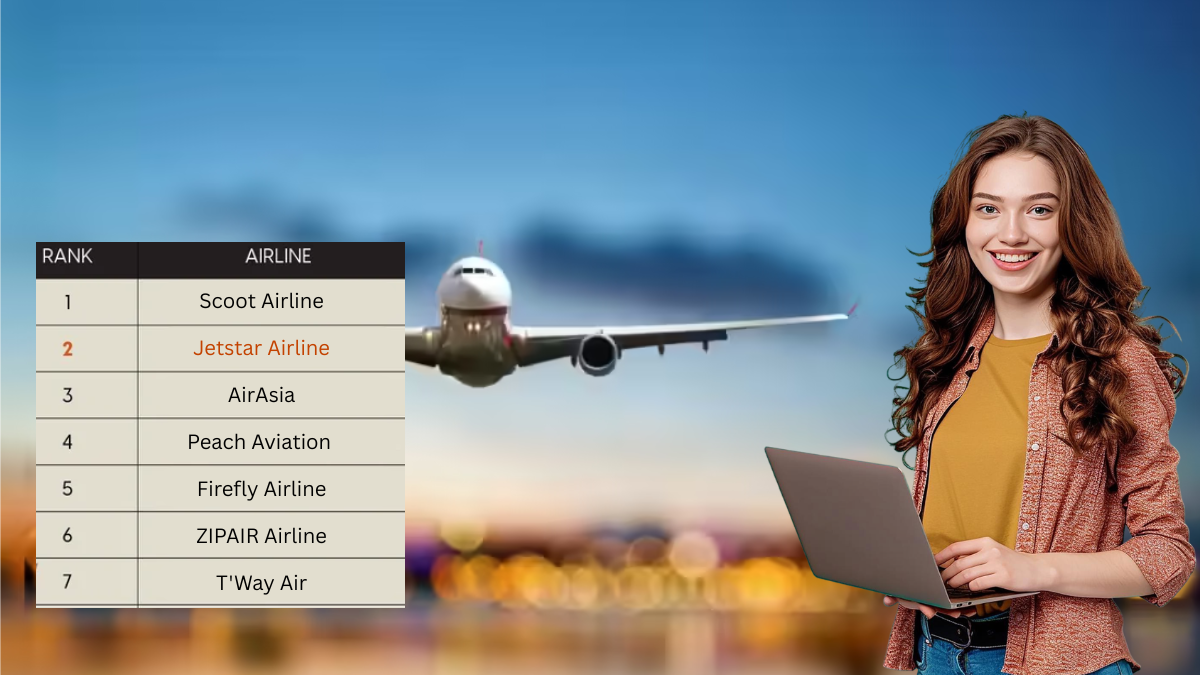
Best Budget Airlines In Singapore Based On Real Value For Money
Scoot Airline
Scoot is the low-cost subsidiary of the Singapore Airlines Group and merged with Tigerair Singapore in July 2017, five years after it took to the skies in 2012. Even after the merger, the airline's brand remained intact. It is now positioned distinctly well, operating a mixed fleet of Boeing 787 Dreamliners and Airbus A320 family aircraft, with a network of over 60 destinations across 17 countries and territories.
Most people in Singapore were actually excited when the airline was first launched because it symbolized a taste of the airline's world-class standards made available at a very affordable price. It soon got into mainstream popularity among frequent flyers who appreciated the airline's KrisFlyer Miles to be redeemed for a cushy SIA flight to enjoy themselves. It is also popular for being comfy and well-maintained, a safe option for travelers with an inflight journey of five hours and beyond.
Scoot Airline: Facts & Statistics:
|
Fact / Statistic |
Details |
|
Establishment Year |
Scoot was founded in 2011 as the low-cost subsidiary of the Singapore Airlines Group. |
|
First Commercial Flight |
Scoot began operations on 4 June 2012 with flights from Singapore to Sydney. |
|
Headquarter |
Scoot is headquartered at Singapore Changi Airport, Singapore. |
|
Business Model |
Scoot operates as a low-cost carrier (LCC) under the Singapore Airlines Group. |
|
Destinations |
Scoot serves around 80 destinations across Asia-Pacific, the Middle East, Europe, and Oceania. |
|
Fleet size |
Scoot currently operates approximately 63 aircraft, including Boeing 787s, Airbus A320 family jets, and Embraer E190-E2 aircraft. |
|
Passenger Carried |
Scoot has carried over 67 million passengers since launch. |
|
Growth Plan |
Scoot plans to add 14–16 new aircraft and launch 4–6 new destinations. |
|
Awards |
Scoot was named the “World’s Best Long Haul Low-Cost Airline 2024” by Skytrax. |
|
Fuel Efficiency |
New-generation A320neo family aircraft used by Scoot burn up to 20% less fuel than older models. |
|
Amenities |
10kg carry-on, no check-in baggage. Add-ons available from 20kg, prices vary by route. Hot inflight meals from $12, no entertainment system, but Wi-Fi available for purchase from USD$2.50 for 20mb. |
Jetstar Airline
Jetstar is technically owned by full-service Australian carrier Qantas, which was founded as an independent Singapore-based subsidiary called Jetstar Asia Airways in 2004, operating as a low-cost carrier in the Asian aviation market. It is worth noting that Qantas has permanently closed its Singapore-based Jetstar Asia operations due to rising costs and stiff regional competition. However, it is still operating as a budget airline in the country, though with a different operational structure. The airline has the score of excellence based on 301 travellers, with an overall rating of 3.0 on Tripadvisor. One of the best things about Jetstar is allowing travellers to monitor other airlines for cheaper rates on the same route while booking a Jetstar flight, meaning good for bargain hunters.
Source data: Tripadvisor
Jetstar: Facts/Statistics
|
Fact / Statistic |
Details |
|
Establishment Year |
It was founded in 2003 as the low-cost subsidiary of the Qantas Group. |
|
First Commercial Flight |
Commenced operations on 25 May 2004 with domestic flights in Australia. |
|
Headquarters |
Melbourne, Australia. |
|
Business Model |
It operates as a low-cost carrier (LCC) offering budget-friendly domestic and international travel. |
|
Destinations |
The airline serves over 60 destinations across Asia-Pacific including Singapore, Japan, Thailand, Indonesia, and Australia. |
|
Fleet Size |
Jetstar Group operates approximately 100+ aircraft including Airbus A320s, A321neos, and Boeing 787 Dreamliners. |
|
Passenger Carried |
Jetstar has carried more than 300 million passengers since its launch. |
|
Growth Plan |
Jetstar continues expanding its A321neo fleet to improve fuel efficiency and regional connectivity. |
|
Awards |
Jetstar has received multiple low-cost airline recognitions for affordability and regional connectivity. |
|
Fuel Efficiency |
New-generation Airbus A321neo aircraft reduce fuel burn and emissions by up to 20% compared to older aircraft models. |
|
Amenities |
7kg carry-on included on Starter fares, optional checked baggage, onboard meals/snacks available for purchase, Wi-Fi on selected routes, entertainment on Boeing 787 Dreamliners via the Jetstar Entertainment+ system, and Business Class available on selected long-haul routes. |
AirAsia
A Malaysian-based low-cost carrier headquartered in Kuala Lumpur, Malaysia, AirAsia is called one of the best budget airlines in Singapore. The airline is considered a local budget alternative for budget-conscious travelers in the country by connecting dozens of regional destinations from Singapore Airport Terminal 4, apart from engaging in high flight frequency on major routes like Singapore to Kuala Lumpur, Jakarta, and Bangkok.
The brand airline is also symbolic of Singapore's travel ecosystem because its affiliates, such as Thai, Indonesian, and Malaysian all fly into Changi Airport. By making flying affordable and accessible to more than 900 million guests across over 150 destinations, the airline is trying its best to stay true to its tagline, "Now Everyone Can Fly". AirAsia Berhad is rated 3.0 at Tripadvisor, where 700+people have praised the airline for excellent services.
AirAsia: Facts/Statistics
|
Fact / Statistic |
Details |
|
When Founded |
In 1993. Began operations in 1996 as a Malaysian low-cost airline. |
|
Singapore Operations |
It has been operating in Singapore for over 20 years and is one of the largest foreign airline groups at Changi Airport. |
|
Headquarters |
The airline is headquartered near Kuala Lumpur International Airport (KLIA), Malaysia. |
|
Business Model |
An ultra low-cost carrier (LCC) focused on affordable regional and international travel. |
|
Destinations |
AirAsia Group serves over 165 destinations across 25+ countries in Asia and Australia. |
|
Fleet Size |
AirAsia and its subsidiaries operate more than 220 aircraft, primarily Airbus A320 and A321neo family jets. |
|
Passenger Reach |
It carries over 55 million passengers annually across its network. |
|
Singapore Connectivity |
It currently operates around 285 weekly flights from Singapore across multiple direct regional routes. |
|
Awards |
It has won the Skytrax “World’s Best Low-Cost Airline” award multiple times, including 2024. |
|
Fuel Efficiency |
New-generation Airbus A320neo and A321neo aircraft reduce fuel burn and emissions by up to 20% compared to older aircraft. |
|
Amenities |
7kg cabin baggage included, optional checked baggage, paid seat selection, onboard meals/snacks, Fly-Thru transit service, Wi-Fi on selected aircraft, and AirAsia Rewards loyalty program available. |
List Of Other Destination-Specific, Budget Airlines That Fly From Singapore
1). Peach Aviation
Peach Aviation is a Japanese low-cost carrier that is a fully-owned subsidiary of ANA Holdings, the parent company of All Nippon Airways. It offers daily flights from Singapore to Osaka and operates out of Kansai International Airport, Osaka. This budget airline offers its newest flight route between Singapore to Osaka and round trip tickets as low as $280 to $500, depending on the season and early booking status. Though rated 3.0 at Tripadvisor, the airline is also criticized for flight delays and abrupt cancellation constituting overall poor flight experience.
Peach Aviation: Facts/Statistics
|
Fact / Statistic |
Details |
|
Establishment Year |
Founded in 2011 as a Japanese low-cost airline under ANA Holdings. |
|
First Commercial Flight |
It began operations on 1 March 2012 with flights between Osaka Kansai and Sapporo. |
|
Headquarters |
Headquartered in Izumisano, Osaka Prefecture, Japan, near Kansai International Airport. |
|
Business Model |
Operates as a low-cost carrier (LCC) focusing on affordable domestic and international travel across Asia. |
|
Singapore–Osaka Route |
Peach launched direct Singapore–Osaka (Kansai) flights in December 2024 using Airbus A321LR aircraft. |
|
Destinations |
It serves around 37 destinations across Japan and Asia including Singapore, Seoul, Taipei, Bangkok, and Shanghai. |
|
Fleet Size |
The airline operates approximately 35 aircraft, mainly Airbus A320 and Airbus A321LR jets. |
|
Passenger Comfort |
Peach’s Airbus A321LR features wider seats, 30–32 inch seat pitch, reclining seats, and USB charging ports for long-haul comfort. |
|
Fuel Efficiency |
The Airbus A321LR aircraft used on Singapore–Osaka routes delivers around 20% better fuel efficiency compared to older A320ceo aircraft. |
|
Amenities |
7kg cabin baggage allowance, optional checked baggage, onboard food/snack purchases, USB charging ports, online check-in, and no fuel surcharge on international flights. Wi-Fi and seatback entertainment are not available. |
2). Firefly Airline
This Malaysian-based airline is a highly budget-friendly carrier for people who want to travel between Singapore and Malaysia, often priced similar to AirAsia. When it takes off at Singapore's Seletar Airport and lands at Subang Airport in Kuala Lumpur, the time saved in the journey is considerably higher compared to larger international hubs, helping travelers avoid massive crowds and long lines.
Rated 2.5 at Tripadvisor, the airline is said to fall short on expectations of travelers because of unfriendly customer service, bad booking experience, and poor punctuality. But it remains as one of the most budget-friendly carriers. A good thing for travelers through this airline is landing at Subang Airport instead of KLIA, which rests in close proximity to the KL City Center.
Firefly: Facts/Statistics
|
Fact / Statistic |
Details |
|
Establishment Year |
It was founded in 2007 as a regional low-cost subsidiary of Malaysia Airlines. |
|
First Commercial Flight |
Commenced operations on 3 April 2007 with domestic regional services in Malaysia. |
|
Headquarters |
Petaling Jaya, Selangor, Malaysia. |
|
Business Model |
Operates as a regional low-cost carrier (LCC) focused on affordable short-haul connectivity between Malaysia, Singapore, Thailand, and Indonesia. |
|
Singapore–Malaysia Routes |
Firefly operates direct flights between Singapore and Malaysian cities including Subang, Penang, and Kuala Lumpur. |
|
Fleet Size |
Firefly operates approximately 14 aircraft, including ATR 72-500 turboprops and Boeing 737-800 jets. |
|
Destinations |
The airline serves around 17–19 destinations across Malaysia and neighboring Southeast Asian countries. |
|
Passenger Convenience |
Firefly’s Singapore–Subang route is popular for quick airport processing and convenient city access compared to larger airports. |
|
Fuel Efficiency |
ATR 72 aircraft used by Firefly are designed for efficient short-haul regional travel with lower fuel consumption compared to larger jets. |
|
Amenities |
Complimentary snacks and checked baggage are included on many routes, alongside online check-in, Enrich loyalty integration, and comfortable short-haul seating. |
3). ZIPAIR Airline
This airline is popular among travelers looking for cheap flights to Japan. A low-cost carrier subsidiary of Japan Airlines, ZIPAIR keeps its air tickets low-cost through an a-la-carte pricing model. As a passenger, all you have to pay is for your seat only. Extras, such as checked baggage, meals, and amenity kits are optional add-ons. You can also bring your own food and non-alcoholic beverages onboard. It also provides free Wi-Fi onboard all flights, an entertainment system loaded with movies, shows and even magazines.
ZIPAIR: Facts/Statistics
|
Fact / Statistic |
Details |
|
Establishment Year |
Founded in 2018 as a wholly owned low-cost subsidiary of Japan Airlines. |
|
First Commercial Flight |
It officially began operations in June 2020, initially as a cargo airline before launching passenger services later that year. |
|
Headquarters |
The airline is headquartered in Narita, Chiba, Japan, with Narita International Airport serving as its primary hub. |
|
Business Model |
Works as a medium- to long-haul low-cost carrier (LCC) focused on affordable international travel with optional add-on services. |
|
Singapore–Tokyo Route |
Operates direct nonstop flights between Singapore Changi Airport and Tokyo Narita, making it one of the few budget carriers offering this route. |
|
Fleet Size |
Currently operates Boeing 787 Dreamliner aircraft, with a fleet of approximately 8 aircraft and expansion plans underway. |
|
Destinations |
The airline serves destinations across Japan, Singapore, South Korea, Thailand, Canada, and the United States. |
|
Passenger Comfort |
ZIPAIR’s Boeing 787 cabins feature free Wi-Fi, USB/power outlets, and optional “ZIP Full-Flat” lie-flat seats that are significantly cheaper than traditional business class. |
|
Fuel Efficiency |
The Boeing 787 Dreamliner used by ZIPAIR is designed for lower fuel consumption and reduced emissions compared to older wide-body aircraft. |
|
Amenities |
7kg cabin baggage allowance, optional checked baggage, onboard meal purchases, free in-flight Wi-Fi, power outlets, online streaming entertainment. Complimentary meals and seatback screens are generally not included. |
4). T'Way Air
A South Korean low-cost carrier, T'Way Air offers its airline services from Singapore to South Korea, offering a great alternative for domestic travelers at competitive airfare for the passengers who want to hop between Seoul City and Jeju island. The airline is adopting a no-frills model where it allows passengers to save money on airfare by unbundling services and operating point-to-point flights. It is rated 3.0 at Tripadvisor signalling excellence in travel experience, especially people praising the airline for baggage handling, friendly staff, etc.
T'Way Air: Facts/Statistics
|
Fact / Statistic |
Details |
|
Establishment Year |
2004 and rebranded from Hansung Airlines to T’Way Air in 2010. |
|
First Commercial Flight |
Officially began operations as T’Way Air on 16 September 2010. |
|
Headquarters |
Seoul, South Korea, with hubs at Seoul–Incheon and Seoul–Gimpo airports. |
|
Business Model |
Operates as a South Korean low-cost carrier (LCC) focused on affordable regional and long-haul travel. |
|
Singapore–South Korea Route |
Operates direct daily flights between Singapore and Seoul (Incheon), with flight times averaging around 6 hours 30 minutes. |
|
Fleet Size |
T’Way Air operates approximately 49 aircraft including Airbus A330s, Boeing 737-800s, Boeing 737 MAX 8s, and Boeing 777-300ERs. |
|
Destinations |
The airline serves around 46 destinations across South Korea, Japan, Southeast Asia, Australia, and Europe. |
|
Passenger Comfort |
Long-haul Airbus A330 aircraft on Singapore–Seoul routes offer generous seat pitch and spacious cabins as compared to many budget airlines. |
|
Fuel Efficiency |
T’Way Air is gradually expanding its Boeing 737 MAX 8 fleet, which delivers better fuel efficiency and lower emissions compared to older-generation aircraft. |
|
Amenities |
10kg cabin baggage allowance, optional seat selection, prepaid meals, checked baggage options, online check-in, and Business Class available on selected Airbus A330 routes. Seatback entertainment and complimentary meals are generally not included. |
Pros And Cons Of Budget Airlines In Singapore
The above-listed budget airlines connecting different destinations from Singapore will serve you tailoring your requirements and preferences when it comes to booking cheap flights. And this is also essential. Because why should you pay for perks you may not even be utilizing? In contrast, the cheapest baseline airfare may no longer be the cheapest once you consider essential add-ons. With this piece of information serving as your guidebook, go and book the airline that aligns best with your travelling priorities, styles, and preferences. Don't forget to check all your needs.
|
Aspect |
Pros |
Cons |
|
Ticket Prices |
Lower airfare compared to full-service airlines |
Extra charges for baggage, meals, and seat selection |
|
Route Availability |
Strong regional connectivity across Asia |
Limited long-haul destinations on some carriers |
|
Flight Frequency |
Frequent daily flights to nearby countries |
Peak-hour flights may still be expensive |
|
Promotions |
Attractive flash sales and discounted fares |
Promo fares often come with strict refund policies |
|
Online Booking |
Easy mobile and web booking systems |
Customer support can be limited during disruptions |
|
Cabin Experience |
Modern aircraft and decent seating for short-haul trips |
Smaller seat pitch and reduced legroom |
|
Travel Flexibility |
Multiple fare options for budget-conscious travelers |
Ticket changes and cancellations may incur high fees |
|
Airport Accessibility |
Strong presence at Singapore Changi Airport |
Some airlines use secondary airports at destinations |
|
Onboard Services |
Optional meal purchases and add-on amenities |
Complimentary meals and entertainment usually unavailable |
|
Value for Money |
Affordable travel for students, tourists, and families |
Overall costs can rise after adding extras and baggage fees |
Final Words
Airlines operating from Singapore are known for their excellent services, ranging from cheaper airfare to sumptuous mile-high meals and fantastic entertainment packages. However, for travelers, the decision to choose the best budget flight in Singapore to get to their vacay destination safely and without draining their budget becomes a time-taking quandary to solve. This is where our technical breakdown of main budget airlines that fly from Singapore serves as a crucial guide to choose the best low-cost carrier and only pay what you need. Choosing the kind of airline that serves your budgetary requirement is quite a consideration because it makes no sense paying additionally for services you may barely use.
Frequently Asked Questions(FAQ's)
Ans: Scoot has earned its reputation as one of Singapore's best budget airlines, offering competitive fares, a wide route network, modern aircraft, and the added bonus of being part of the KrisFlyer loyalty program all add up to solid value for money.
Ans: A budget airline, or low-cost carrier (LCC), keeps its base fares low by charging separately for optional services—things like checked baggage, meals, seat selection, and in-flight entertainment all come at an additional cost, so you only pay for what you actually need.
Ans: The lowest fares depend on the destination, travel dates, and booking period. For Southeast Asia, AirAsia often takes the crown for lowest fares, while Scoot, ZIPAIR, Peach Aviation, and T'way Air often provide good deals on longer regional routes.
Ans: ZIPAIR offers you complimentary in-flight Wi-Fi—now even faster thanks to their fleet-wide Starlink rollout in 2026. Other budget carriers like Scoot and AirAsia, on the other hand, typically only offer Wi-Fi as a paid add-on, and usually just on select aircraft.
Ans: Both AirAsia and Firefly are great choices if you're travelling to Malaysia. AirAsia offers frequent flights to multiple cities across the country, while Firefly flies into Subang Airport—a handy option if you want to be closer to Kuala Lumpur's city center.
Ans: T'way Air is one of the best low-cost options for flying direct between Singapore and Seoul, offering competitive fares, a solid cabin baggage allowance, and comfortable long-haul aircraft that make the roughly 6.5-hour journey a lot more pleasant than you'd expect from a budget carrier.
Ans: Yes. Many low-cost carriers go out of their way to make travel easier for families, offering perks like priority boarding, seat selection, stroller allowances, and optional meal packages—so flying with kids doesn't have to mean giving up on comfort or convenience.