- 28 Jan, 2026
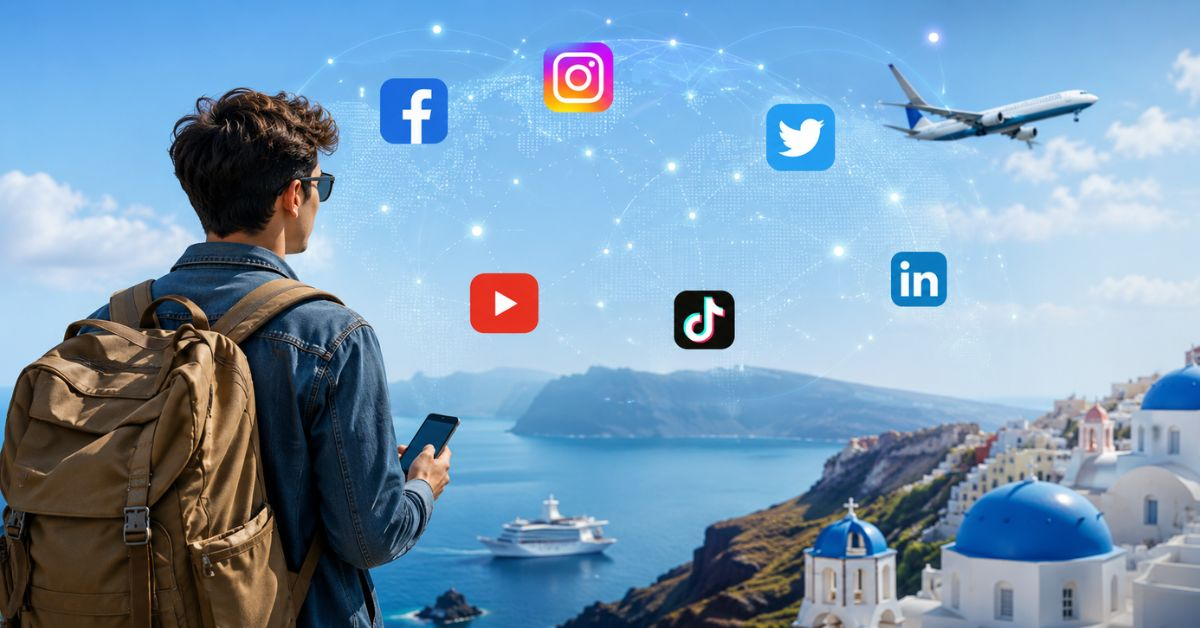
A decade ago, travelers used to compare prices on booking websites, some read reviews, and then ended up making a decision. Today, everything has drastically changed. Social is now one of the strongest influences on travel spending, destination selection, and booking behavior.
Earlier, travelers were giving high importance to search engines for booking sites, but nowadays their decisions are influenced by TikTok videos, Instagram posts, reels, YouTube reviews, Pinterest, and travel communities' pages.
1. Reviews and Recommendations Affecting Travel Purchases
People have started treating social media as a research platform and not just for entertainment purposes. For reserving any hotel or flight, they search for that specific thing or location through Insta tags, TikTok reviews, and YouTube travel influencers sharing travel guides along with genuine feedback. All these give those answers that usually offiicial websites rarely provide, such as room views, neighborhood atmosphere, crowd levels, food quality, and transportation convenience.
Video shows room conditions, nearby attractions, transportation options, and food quality help travelers make them reach to a informed decisions.
2. The New Digital World-of-Mouth Effect
Friends and Family once served as the primary source of travel recommendations. Social media has expanded that circle to include millions of travelers worldwide. For example, a normal planning trip to Paris can give you access to thousands of recommendations from people who have recently visited. Travel communities on Reddit, Facebook Groups, and TikTok comment sections have become an asset and work as a valuable source of practical advice. Travelers now seek recommendations from people with similar budgets, interests, and travel styles rather than relying solely on personal contacts.
3. Travel Brands using Social Media to Drive Bookings
Airlines, hotels, and tourism boards actively convert social engagement into sales. Travel companies have now shifted to limited-time promotions, destination showcases, influencer collaborations, and user-generated content campaigns to encourage bookings. Many brands place booking links directly within social media profiles and advertisements, reducing the number of steps between discovery and purchase.
4. Mobile-First Travel Planning
Travel planning increasingly happens in short moments throughout the day. People scroll through social media platforms during commutes, lunch breaks, and evenings. Social media acts as the starting point, where travelers research destinations, compare prices, save recommendations, watch reviews, and complete bookings from one device. This connected journey has fundamentally changed how travel decisions are made.
Fun Fact: The hashtag #TravelTok has generated billions of views, turning TikTok into one of the most influential travel discovery platforms among younger travelers. Many destination marketing organizations are inviting creators to document local experiences rather than produce scripted promotional content. Authentic storytelling generates stronger engagement because audiences see practical details, honest opinions, and experiences that feel achievable for ordinary travelers.
Social Media Marketing in the Travel Industry: Influencers, User-Generated Content, and Brand Growth
Travel experiences are easier to sell and highly impactful through stories than advertisements.
Travel influencers act as trusted intermediaries between destinations and potential visitors. Earlier, the marketing and branding of a travel brand were focused on polished images and beautiful scenic views, but social media has shifted this through creators. They show the positive side along with the negative ones to aware their viewers. They show transportation, accommodation, local food, costs, and day-to-day activities. Viewers see what a trip actually feels like rather than what a tourism brochure claims. This format helps audiences imagine themselves taking the same trip, which increases engagement and booking intent.
-
User-Generated Content as a Tourism Marketing Strategy
User-generated content acts as an ongoing recommendation engine. Every tagged photo, destination reel, hotel review, and travel vlog increases online visibility. This creates a corresponding effect where travellers continuously market destinations to future visitors. This content functions as social proof throughout the travel decision process.
-
Impact of Viral Success Stories Which led to Tourism Boom
Some destinations owe much of their recent popularity to creator-generated content. The rise of "van life" content encouraged more travelers to consider road trips and outdoor adventures. Similarly, destinations featured in viral TikTok videos have seen dramatic increases in online searches, accommodation inquiries, and visitor interest.
-
Travel Memes and Internet Culture That Influence Tourism
Earlier travel trends start with a marketing campaign, but today many begin as jokes, memes, or social media challenges.
-
"Expectation vs Reality" Travel Memes
These posts compare heavily edited travel photos with actual experiences. While humorous, they encourage travelers to research destinations more carefully and seek authentic recommendations.
-
Airport Struggle Memes
Missed flights, long security lines, baggage mishaps, and delayed departures have become a shared internet experience. Travel brands join these conversations because they generate high engagement.
-
Passport Stamp and Travel Achievement Trends
Many travelers share milestone posts featuring passport stamps, country counts, or travel maps. These trends encourage others to plan additional trips and participate in the same challenges.
-
"POV: You Booked the Flight" TikTok Trend
This trend celebrates spontaneous travel decisions through fast-paced destination clips and emotional storytelling. Millions of users engage with these videos because they capture the excitement people feel immediately after booking a trip.
These trends are valuable for tourism marketers because they keep travel at the center of online conversations, even when people are not actively planning a vacation.
Every share, comment, and repost keeps destinations visible and top of mind for future travelers.
Best Social Media Platforms for Travel Marketing
Among younger travelers: 87% of Gen Z and 81% of Millennials plan to use social media for travel planning.
Travel-related posts on TikTok have grown 410% since 2021.
73% of travelers say influencer recommendations have influenced booking decisions.
69% of consumers say they expect to use social media to help plan travel within the next year.
Recent research shows 34% of travelers now use social media as their primary source of travel inspiration, while 69% expect to use it for trip planning. With platforms like Instagram, TikTok, and YouTube driving destination discovery and influencer content impacting booking decisions, social media has become one of the most powerful forces in modern travel behavior.
1. Instagram
It remains one of the most powerful travel discovery platforms because it revolves around visual storytelling. A single carousel post or Reel can place a destination in front of millions of potential travelers.
Luxury resorts, tourism boards, and airlines partner with travel creators whose audiences need vacation ideas. When influencers share hotel tours, scenic viewpoints, local food experiences, or hidden attractions, followers begin adding those destinations to their travel wish lists.
For example, Many destinations across Greece, Bali, and the Maldives experienced visibility after travel creators posted cinematic Reels showcasing beachfront villas, infinity pools, and local experiences. Creators are generating millions of views from a single travel post, giving destinations exposure that traditional advertisements struggle to match.
2. TikTok
TikTok has changed how destinations gain popularity. Instead of relying on years of tourism promotion, a location can become globally recognized within days. Videos featuring hidden beaches, mountain villages, unique cafes, or lesser-known attractions get millions of views. The platform's recommendation algorithm pushes engaging content to users regardless of follower count, allowing even small creators to influence tourism trends.
3. YouTube
This helps you make final decisions. Unlike short-form platforms like TikTok and Instagram, YouTube supports deeper research. Before spending thousands of dollars on a trip, people prefer watching a 15-minute travel vlog on YouTube, which can answer questions that dozens of photos cannot. Creators who publish detailed travel content influence purchasing decisions because viewers spend more time engaging with their recommendations. Hotels, airlines, and tourism organizations collaborate with YouTubers to showcase complete travel experiences rather than quick highlights.
4. Facebook
Though it is not that much dominating like Insta and YouTube, it still holds an important place for travel discussions. Groups dedicated to solo travel, family vacations, digital nomads, luxury travel, and budget backpacking contain millions of members who exchange advice daily. These communities influence decisions because recommendations, itinerary suggestions, safety tips, and local insights from people who have recently visited the same destination.
Future of Social Media and Tourism
Social media is transforming how people discover, research, and book trips. The next phase will be even more influential. Emerging technologies, changing traveler expectations, and platform algorithms are reshaping how destinations attract visitors and how travelers choose where to go.
1. AI-Powered Travel Discovery
For years, travelers used to search phrases such as "best places to visit in Italy" or "top beaches in Europe". Increasingly, recommendations are coming directly from algorithms. Social platforms now analyze viewing habits, saved posts, engagement patterns, and travel interests to recommend destinations that match individual preferences.
A traveler who watches hiking content may receive mountain destination recommendations, while food enthusiasts may see culinary travel experiences from around the world.
2. Short-Form video is becoming the New Travel Brochure
Travel brochures once relied on carefully selected images and descriptions. Today, short-form video serves the same purpose. Quick destination walkthroughs, reels of just 15 seconds, hotel room tours, street food experiences, transportation guides, and local activity clips allow travelers to experience a destination before arriving.
As attention spans shrink, destinations that communicate value within seconds gain a competitive advantage.
The viral "Dubai Kunafa chocolate" began as a food trend but quickly expanded into broader conversations about visiting Dubai itself. Millions of social media users discovered local brands, cafes, and experiences through content surrounding the trend.
Similarly, lavender field content from Provence transformed seasonal flower blooms into globally recognized travel experiences. During peak bloom periods, social media feeds become filled with images and videos that inspire travelers to add the region to their itineraries.
Across Instagram and lesser-known restaurants, neighborhoods, beaches, and natural attractions have experienced visitor surges after viral videos generated widespread attention.
Frequently Asked Questions(FAQ's)
Ans: Social media influences travel decisions by helping people discover destinations, compare experiences, read traveler reviews, and watch videos before booking a trip. Many travelers rely on platforms such as Instagram, TikTok, and YouTube for travel inspiration and research.
Ans: Social media has changed how destinations are marketed, how travelers plan vacations, and how tourism businesses attract customers. It allows destinations to reach global audiences while enabling travelers to share experiences instantly.
Ans: Travelers tend to trust content created by other travelers because it shows real experiences, authentic reviews, and unfiltered insights. Photos, videos, and testimonials from visitors can help people evaluate destinations before making bookings.
Ans: Travel influencers can increase awareness of destinations by sharing personal experiences, travel guides, and recommendations with their audiences. A viral post or video can generate interest in locations that previously received little attention.
Ans: The best platform depends on marketing goals. Instagram works well for visual inspiration, TikTok drives destination discovery, YouTube supports travel research, and Facebook helps build travel communities and discussions.
Ans: TikTok has accelerated destination discovery through short-form videos. Viral travel content can introduce millions of users to new locations, attractions, hotels, and experiences within a short period.
Ans: Yes. Social media allows smaller destinations to reach large audiences without major advertising budgets. Viral videos, influencer partnerships, and traveler-generated content can increase visibility and visitor interest.
Ans: Social media can contribute to overtourism, overcrowding, environmental pressure, and unsafe travel trends. Popular destinations may experience visitor surges after viral posts attract large numbers of travelers.
Ans: Hotels, airlines, and tourism organizations use social media for destination marketing, influencer collaborations, user-generated content campaigns, limited-time promotions, and direct engagement with travelers.
Ans: The future includes AI-powered travel recommendations, creator-led tourism campaigns, short-form video marketing, virtual destination previews, live travel streaming, and stronger community-driven travel decisions.