- 18 May, 2026
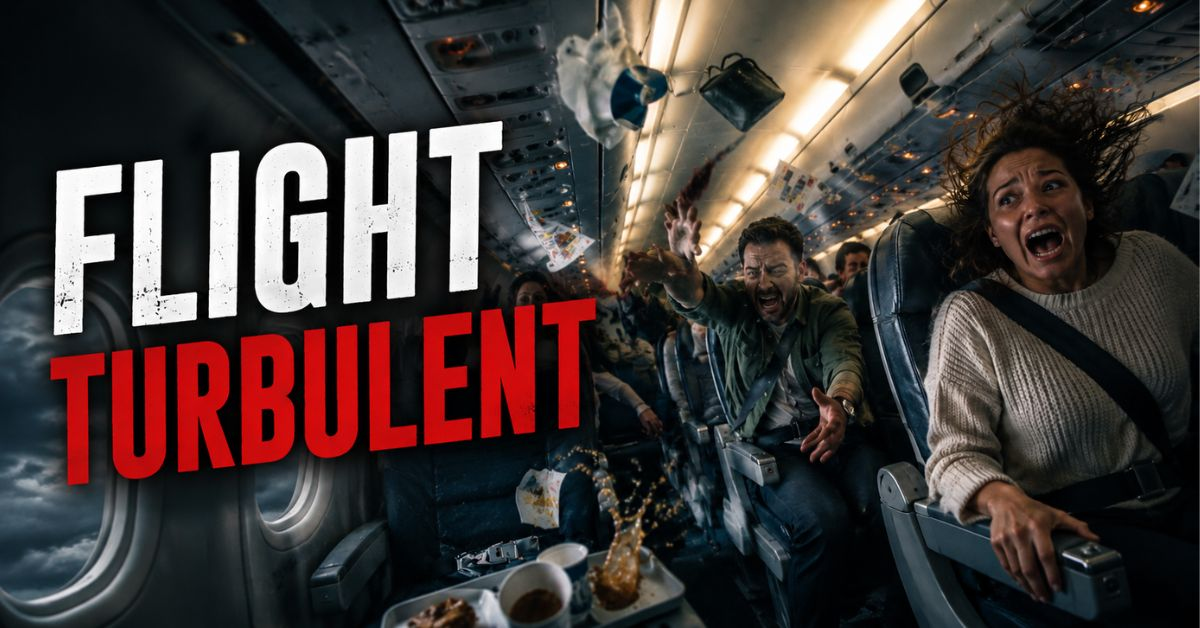
For most (first-time) travelers, nothing turns a dream vacation into a nerve-wrecking experience than the sudden, jarring drop of an airplane at thirty thousand feet in the sky!
You feel your stomach leaping into your throat. And then the rattling sound of the cabin scaring you to no accounts. Those are the moments when suddenly all the movie scenes about airplane disasters you watched come flashing behind your eyes. You start to shake like the end is near.
However, amidst befogged situations, you usually miss something important. Cabin crew and pilots, they are the ones unfazed by the turbulence. Why? Because they have seen them. Not once but many times. They have received the training to stay composed in situations like this. Most importantly, they trust that the airline they are traveling with is far stronger to withstand situations like this, thanks to the precise engineering done to it. For them, the turbulence is little more than a pothole on a highway. But for the first time travelers, things are a bit harrowing, and frightening. And that’s natural.
Surviving a turbulent flight is not just about reaching your destination safely, it is also about managing your physical safety and your psychological comfort so that you can land feeling relaxed rather than traumatized. Here is your practical guide to riding out the bumps.
What actually happens during turbulent flight?
A lot of scary things happen simultaneously during a turbulent flight in the sky. For instance, what starts bugging your mind is the immediate apprehension that the airplane engines are going to fail and the plane will take a nose dive to crash landing. Images of media outlets showing wreckages of crash-landed airplanes start floating on your mind.
Getting fearful of the unknown dangers
One of the most psychologically and quite naturally observed movements during a bumpy flight ride during turbulence is how your brain instinctively cooks up stories about the airplane’s wings snapping off or its engines failing, plumes of smoke bulging out of them.
Though nothing of that sort happens, your brain still assumes the premonitions. And it is not unusual. The point is, unless you understand what is actually happening outside your window, you will not be able to put your troubled mind at ease.
The reality is, turbulence is just a disturbed airflow, similar to the ocean waves buffeting a boat. It is real but its assumed danger is more about your brain manufacturing it.
The main culprit behind a turbulent flight:
- Thermal turbulence - The rising warm air from the ground is what causes thermal turbulence to happen. It is often on hot summer days or over mountain ranges.
- Mechanical turbulence - It happens because of the ground-based physical structures like mountains or large buildings disturbing the wind currents above them.
- Clear Air Turbulence (CAT) - This sort of turbulence is frustrating. It happens due to colliding bodies of air moving wildly at different speeds near jet streams. You can't see it with your naked eyes and traditional weather radar.
Is an airplane safe during turbulence?
Do not think that a mere turbulence can cause enormous damage to today’s modern commercial aircraft. They are engineered to withstand forces far greater than anything nature can throw at them. A commercial jet’s wingtips are intentionally designed to act like giant shock absorbers. They can bend upward by over 20 feet, absorbing severe stress from turbulence. So, you are not riding a brittle plane in the sky. You are riding in a highly flexible, incredibly resilient tube of cutting-edge engineering designed precisely for handling this type of situation.
Safety rules during turbulent flight
When turbulence hits a flight, the announcement of cabin crew requesting inflight passengers to fasten their seatbelts is the most precious piece of advance you will ever get in the face of turbulence. The announcement is worth heeding to. It is not just a polite suggestion but a primary defense against situations like this. Because most of the turbulence-related injuries that occurred victimized those passengers who were out of their seats.
Therefore, keep your seatbelt fastened snugly across your lap at all times when seated, even if the sign is turned off. This is due to the fact that there is no clear sign of when an air turbulence can strike without a warning.
What to do when the flight gets genuinely rough
Though we have already mentioned that modern aircraft are engineered to withstand severe turbulence and rough weather conditions, in case something genuinely rough happens, here are tips you can follow to stay safe.
Secure your environment
If the side of your overhead bin is open, close it securely. In addition, do not keep hot liquids anywhere but on the floor or hand them to a flight attendant. A mug of hot coffee, for example, poses a much greater threat to you than the movement of the plane.
Trust the flight attendants
What do you see the movements of the cabin crew during turbulence? Do they look unfazed or calmly pouring drinks? What about their body language; are they sitting down strapped in but reading a magazine? The point is, observing the cabin crew or flight attendants can give you a hint of what you should do during a turbulent flight.
If they do not look frightened, so shouldn't you. You can judge the severity of bumps based on the behavior of the cabin crew. When the flight captain orders them to their seats, it simply means the bumps are heavy enough to cause a tripping hazard (and not a crash).
Stay calm and take a deep breathe
This may sound like cliche advice but the value of it is universally sound. The fact is, during turbulent flight, your brain’s traditional radar usually triggers a classic fight or flight response. Since you can’t fight the airplane and can’t run away, an intense fear immediately engulfs you. This is where you need to trick your mind into realizing that you are safe. You need to calm your mind that everything is okay.
In addition, when anxiety hits you, it is your breathing that becomes problematic. So, take a deep breath. Ignoring it in a frightful situation is like worsening the condition of your fear.
Follow these breathing techniques:
- Inhale deeply through your nose for 4 seconds
- Hold your breath for 4 seconds
- Exhale completely through your mouth for 4 seconds
- Hold empty for 4 seconds.
Repeat this cycle four times. It will physically force your heartrate to slow down and override the panic response.
Avoid watching every aircraft movement
If you are traveling in one of the modern aircraft, you may notice flight maps displaying altitude, speed and route information. During turbulence, one of the best ways to survive is not to watch every aircraft movement through the maps. While these features bring an extra layer of sophistication to the aircraft, monitoring every change during turbulence may increase your anxiety.
Instead, what you should do is to trust the pilots and the aircraft systems. And don't forget that small altitude adjustments and route changes are normal responses to changing weather and air conditions. They are the signs for panicking. Besides, engrossing yourself into entertainment or conversation may also help you keep calm during turbulence.
Stay hydrated and comfortable
During turbulence, your brain feels more stressed. And that’s quite natural, as you are not accustomed to such an environment. Saying “Do not take stress” would be an impractical piece of advice. Because stress naturally comes when facing turbulence. Therefore, one of the best ways to deal with such a situation is to stay hydrated. This is a direct link to calming your mind.
Research shows that even a mild hydration can trigger the release of stress hormones, and during a turbulent flight, this could be worse. Therefore, staying hydrated is essential as it lowers Cortisol and improves nerve signaling among many other benefits. You may consider the followings:
- Drink water regularly.
- Avoid excessive alcohol consumption.
- Wear comfortable clothing.
- Use a neck pillow or travel blanket if needed.
- Get adequate rest before your journey.
Lastly, you need to trust modern aviation safety standards maintained by rigorous testing to ensure that the airplanes can withstand extreme weather conditions. Pilots are trained to manage weather-related challenges, including turbulence. Besides, the airlines use sophisticated forecasting tools, weather radar, and real-time communication systems, enabling them to identify and avoid areas of significant turbulence whenever possible.
Concluding points
Surviving a turbulent flight is more psychological than physical. Psychologically strong and composed minds barely respond to turbulence in a panicked way. Though it doesn't mean that all the passengers are mentally weak. What matters is how you stay grounded to reality; calm and composed to ensure your safety and the safety of your fellow passengers. A frightened passenger can also scare other passengers.
In addition, preparation, awareness and maintaining a calm mindset is very essential to handle turbulence safety. The most important thing is to avoid focusing on troubled thoughts and watching every aircraft movement during this time. Just follow the flight attendants, do what they instruct, remain seated with your seatbelt fastened, and make yourself as comfortable as possible. Stay hydrated to keep calm.
Most importantly, trust the modern aviation technology and the training of airline crew. Commercial aircraft today are no less than an engineering marvel of sophistication to withstand far greater forces than the turbulence encountered during flights. Even in the worst case scenario, nothing is going to happen, except minor bumpiness far too negligible. Stay calm and follow safety procedures.
Frequently Asked Questions(FAQ's)
Ans: Turbulence is just the plane moving through bumpy air — it can feel unsettling, but it's a completely normal part of flying and almost never dangerous.
Ans: Planes are built tough — way tougher than the turbulence you'd normally hit on a flight. The real risk isn't the plane, it's passengers getting hurt because they weren't buckled in.
Ans: Yes — it's best to keep your seatbelt fastened whenever you're in your seat, even if the sign is off, since turbulence can strike without any warning.
Ans: No — if turbulence hits or the seatbelt sign turns on, stay in your seat. Most turbulence injuries happen to people who are up and moving around the cabin.
Ans: Stay in your seat, buckle up, secure any loose items, keep calm, and follow whatever instructions the cabin crew gives you.
Ans: Staying hydrated can genuinely help — it eases stress, keeps you more comfortable, and supports your body in handling anxiety during a bumpy flight.